About Restitution

Restitution is a provocative concept. It raises different emotions amongst different people. For the very reason that the word is so loaded it is important that we make sure that we understand well what it means. In the Restitution Foundation’s work with communities the specific questions related to the understanding of restitution have been frequently raised. In this section the Restitution Foundation provide answers to the questions.

Image

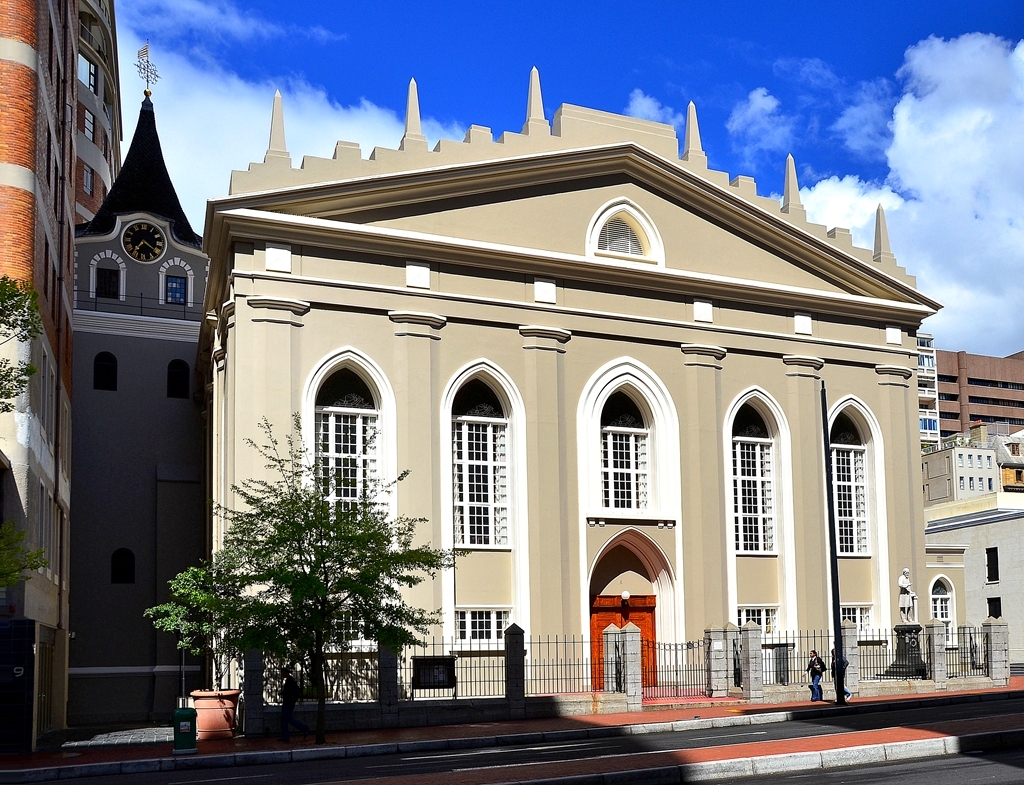
Grootte Kerk, Cape Town. Kindly provided by Igma Grewar

What is Restitution?
Restitution is about restoring after loss or making right for an injury or wrong. In the context of historic injustice in South Africa, it involves seeking to set right the generational ills of inequality and loss by engaging those who have benefited from the system, directly or indirectly, in transferring wealth and social capital and reinvesting in communities that still suffer from the past’s grim legacy. Restitution is a way of trying to make right a historical injustice. It entails recognising that a wrong has been committed, that we were somehow complicit in it, and that its ramifications continue to be felt. This includes addressing the cumulative advantage some sectors within society enjoyed in order to address the imbalances created by our past. Through this, restitution is about restoring right relationships, a sense of belonging and humanity between people.

Image

What is the loss or injury we are trying to make right?

When considering historical injustice, thinking about restitution forces us to recognise that loss includes both tangibles - such as land - and intangibles - like dignity, a sense of safety or self, and opportunity - compounded over generations. See our analogies to think through and understand the nature of loss or injury caused.

Image
Image

Grootte Kerk, Cape Town. Kindly provided by Igma Grewar

What does restitution look like practically?

Practical restitution actions may take many forms. Examples could include giving resources or financing to a small business, dedicating time to supporting someone’s education, or learning a different language. What is important is that restitution begins with listening and dialogue to create understanding and build equality in the partnership between people. Actions should also be context-specific and identified restorative in the particular situation.

Image

Who is responsible for restitution?

Restitution has a personal, communal, institutional and national component to it. It is ultimately about changing the structures that sustain injustice. While government has its role to play in the pursuit of justice, it cannot and should not bear the entire burden. We have the resources and imaginative, spiritual and intellectual capacities to be effective and powerful agents of justice when we voluntarily band together and become agents of justice in our land. Moreover, ordinary citizens have been the beneficiaries of accumulated advantage and are thus implicated in injustice. This creates a responsibility for making right in order to heal relationships.

Image
Image

Grootte Kerk, Cape Town. Kindly provided by Igma Grewar

Isn't this the government's problem?

At the time of transition, the democratic government repealed racist laws and enacted laws aimed at redress in the spheres of land, employment and reconciliation. These include land restitution claims processes and BBEEE requirements. However, despite these measures, inequality in South Africa remains exceedingly high and tension between different races and social classes continues to be high. While state and legal initiatives are important, it is clear that much needs to be made right between individual citizens as well.

Image

Why should I take responsibility for the past?

For our context, the language of perpetrator and victim may seem off-putting. Most whites have been passive beneficiaries of the apartheid system rather than active perpetrators of its evils. But nonetheless, the beneficiaries continue to accrue the wealth, education and social capital that was reserved for them under apartheid and continues to be perpetuated in many ways today. By voluntarily choosing to make restitution, they take responsibility for the advantages they have gained and attempt to break the cyclical nature of those advantages by redistributing both material wealth and the wealth of education and skill.

In so doing, white people begin to right the imbalance that has long existed between communities. By investing in disadvantaged communities, not out of a sense of largesse but a sense of the demands of justice, we take seriously the lives and struggles of our brothers and sisters and make concrete moves towards demonstrating that we rise or fall together as one nation.

Image
Image

Who will benefit from restitution?

Sustainable peace is only possible when the root causes of a conflict are addressed. The birth of the democratic dispensation in 1994 was not the beginning of peace. It was at most a ceasefire. Much more work (restitution) is required before sustainable peace would become possible. When the poor in the society have nothing to lose it becomes a real possibility that the rich will lose everything.

Image
Image

Grootte Kerk, Cape Town. Kindly provided by Igma Grewar

What about reconciliation?

Restitution cannot stand as an independent idea on its own. It belongs together with other words like justice, reconciliation, transformational development and peace-building. It is particularly linked to ideas we are more accustomed to hearing, such as “reconciliation” and “restorative justice”. Unlike retributive justice, which frames wrongdoing as a violation of law and a crime against the state, restorative justice recognises wrongdoing as a violation of relationship and a crime against people and community. As part of the process of healing the wounds, then, the perpetrator must acknowledge that injustices have been committed and participate, along with the victims and wider communities, in seeking solutions that will repair the frayed social fabric. Making restitution—doing what is in the power of the perpetrator to restore justice and set right what was wrong—is a critical piece of this.

Image

When will we have done enough?

Whilst nothing can truly undo the past, a measure for when enough restitution has been done is when the section in society who have been harmed by racist colonial and apartheid policies decide that sufficient restitution has been taken place.

It is difficult to undo all that has been done, and impossible to return what has been stolen. However, restitution will only be completely done when all the root causes of the conflict of racist colonial and apartheid rule and behaviour have been addressed. When Gini-coefficient/unemployment rate indicators are much lower, the education levels of all racial groups in the country are compared with world standards, when the GDP for all groups is the same, and when the standard of living is equitable amongst races. When one’s life will not be shortened by decades simply by being born black in South Africa. When the injured party says that enough has been done. When the people of South Africa start living in real peace with each other.

Image
Image

Grootte Kerk, Cape Town. Kindly provided by Igma Grewar

What role does race play in restitution responsibility?

The prolonged generational human rights abuse and exploitation of black South Africans unjustly benefitted white South Africans and enabled them to enjoy a living standard comparable with the highest living standards in the world. This injustice is the root cause for the conflict in South Africa. The only solution to resolve this conflict is by addressing the root causes through acts of restitution by white South Africans. The adoption of the policy of apartheid by the white minority government in 1948 legislated the racial discrimination of the colonial era and legitimised racism in all spheres of the South African society including sexual relationships, marriage, home, school, workplace, places of worship, sport fields, hospitals and even graveyards.

The colonisation of land, mineral wealth and the African mind accompanied with the denial of equal opportunities to people of colour enabled white South Africans to misuse people of colour as cheap labour. In doing so they enriched themselves at the expense of the black majority. This exploitation enabled white South Africans to amass material resources which enabled them to enjoy a living standard competing with the best in the world while most South Africans of colour lived in abject poverty. The victims of colonialism and apartheid become ‘beggars’ in the country and continent of their birth and slaves on the land that rightfully belonged to them. Colonialism and apartheid caused South Africa to become one of the most unequal societies in the world.

© Restitution Foundation Contact Us